

Evaluating whether to lease or buy a vehicle from Ford is not a theoretical exercise. It is a practical decision shaped by how Ford designs its vehicles, structures ownership costs, and manages depreciation across model cycles. This article approaches the question evaluate the auto company ford on lease vs buy car from a practitioner’s perspective, focusing on cause-and-effect relationships rather than promotional arguments. The goal is to clarify where leasing aligns with Ford’s product realities and where outright ownership produces more predictable long-term outcomes.
Understanding Ford’s product and ownership ecosystem
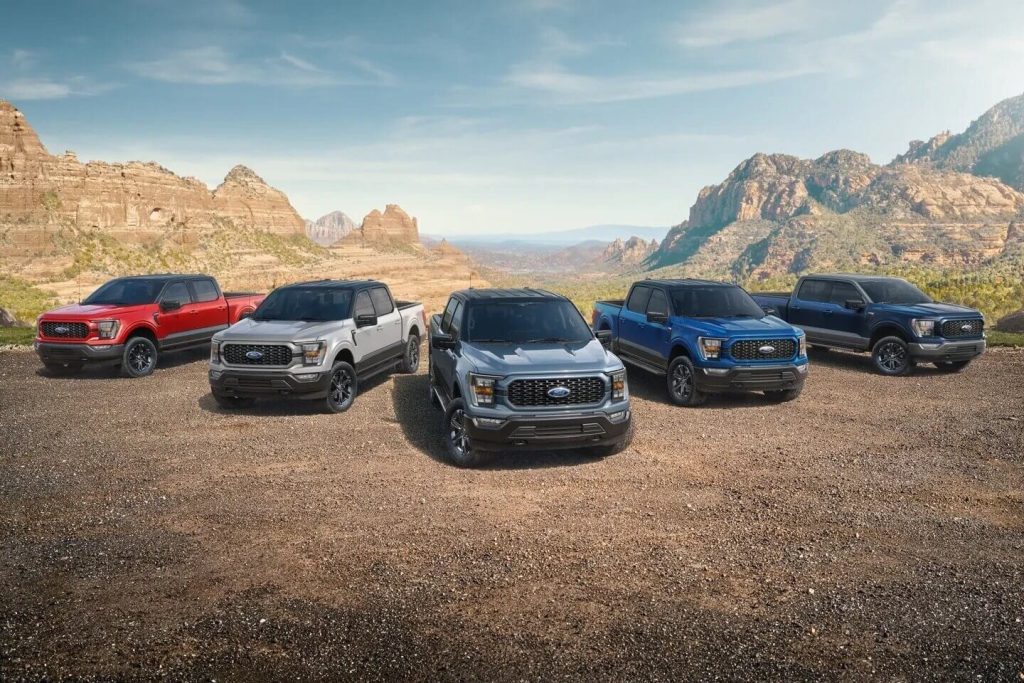
Any attempt to evaluate the auto company Ford on lease vs buy car has to begin with how Ford builds and positions its vehicles. Ford’s portfolio spans fleet-oriented sedans, mass-market crossovers, body-on-frame trucks, and performance variants. Each category behaves differently under leasing and ownership because engineering choices directly influence depreciation, maintenance exposure, and resale stability over time.
Platform strategy and lifecycle implications
Ford tends to amortize platforms over long production runs, especially in trucks and SUVs. This strategy often results in mid-cycle updates rather than full redesigns. From an ownership standpoint, this usually stabilizes parts availability and long-term serviceability. In leasing scenarios, however, slower design turnover can reduce perceived novelty, which sometimes weakens residual values compared to brands with more aggressive refresh cycles.
Leasing a Ford vehicle: structural advantages and constraints
Leasing a Ford is often appealing on the surface because monthly payments can appear lower and predictable. In practice, leasing effectiveness depends on how accurately residual values reflect real-world demand and how well the vehicle’s design tolerates strict mileage and wear constraints.
Residual value behavior in Ford leases
In most cases, Ford’s mainstream models show conservative residuals. This protects leasing companies but can reduce the consumer’s advantage. Trucks and certain SUVs tend to lease better because demand remains strong at lease end. Smaller cars and niche trims often face residual compression, which quietly increases the effective cost of leasing even when monthly payments seem reasonable.
Buying a Ford vehicle: long-term ownership mechanics
Buying a Ford shifts financial exposure from short-term predictability to long-term control. The owner absorbs depreciation upfront but gains flexibility in usage, modification, and retention. This trade-off becomes especially relevant with Ford’s mechanical layouts and service philosophies.
Depreciation curves and ownership horizons
Ford vehicles typically experience steeper depreciation in the first three years, followed by a flattening curve. Buyers who keep vehicles beyond five to seven years often see a more stable cost-per-year outcome than lessees who cycle every three years. This effect is strongest in models with durable drivetrains and broad aftermarket support.
Maintenance, reliability, and service exposure over time
Maintenance considerations differ sharply between leasing and buying, particularly with Ford. Leasing usually aligns with factory warranty coverage, limiting exposure to major repairs. Ownership extends beyond that safety net, making engineering durability and service access more critical.
Warranty alignment and risk transfer
With a lease, most mechanical risks remain theoretical because the vehicle is returned before age-related failures become common. Owners, by contrast, must plan for wear-related costs. In Ford vehicles, suspension components, transmissions, and electronic systems often define the ownership experience after warranty expiration, depending on model and usage.

Usage patterns: mileage, load, and operational stress
One of the most underestimated factors when people evaluate the auto company Ford on lease vs buy car is how the vehicle is actually used. Ford designs many models for high load tolerance and extended duty cycles, which can conflict with leasing constraints.
Mileage limits versus real-world driving
Leases penalize high mileage, while ownership absorbs it as depreciation. Ford trucks and utility vehicles are often driven more aggressively or over longer distances. In such cases, buying tends to align better with the vehicle’s intended purpose, whereas leasing introduces constant cost anxiety tied to mileage accumulation.
Financial structure comparison: lease vs buy in practice
To clarify how leasing and buying differ in practice, the following table compares structural characteristics rather than promotional pricing. It highlights where each option aligns or conflicts with typical Ford ownership patterns.
| Aspect | Leasing a Ford | Buying a Ford |
| Depreciation exposure | Limited to lease term | Fully absorbed by owner |
| Mileage flexibility | Restricted, penalties apply | Unlimited, usage-driven |
| Maintenance risk | Mostly within warranty | Increases after warranty |
| Long-term cost predictability | High short-term, uncertain long-term | Lower short-term, stable long-term |
| Vehicle modification | Generally restricted | Fully flexible |
This comparison helps frame decisions around usage stability, not just monthly cost perception.
Common decision errors when choosing lease or buy
Many unfavorable outcomes stem from mismatched expectations rather than flawed products. Based on field experience, several recurring errors appear when consumers evaluate the auto company Ford on lease vs buy car.
Before listing them, it is important to note that these issues usually emerge gradually, not immediately:
- Choosing a lease for high-mileage or commercial-style use.
- Buying entry-level trims with poor long-term resale demand.
- Ignoring post-warranty repair exposure in ownership planning.
Each of these errors reflects a disconnect between how Ford vehicles are engineered and how they are financially structured.
Model-specific considerations within the Ford lineup
Not all Ford vehicles behave equally under leasing or ownership. Platform age, powertrain complexity, and market demand all influence which path is more rational.
Trucks, SUVs, and performance models
Full-size pickups and large SUVs often favor ownership due to durability and residual demand. Performance-oriented models can lease poorly because residual assumptions rarely match real depreciation. In contrast, mainstream crossovers may suit leasing if usage remains moderate and predictable.
Long-term stability and ownership psychology
Beyond numbers, leasing and buying affect how owners interact with their vehicles. Leasing encourages short-term thinking and conservative use. Ownership promotes adaptation and long-term optimization, particularly relevant with Ford’s utilitarian design philosophy.
Predictability versus control
Leasing offers predictability but limits agency. Buying introduces variability but rewards informed planning. In most cases, buyers who understand Ford’s maintenance rhythms and depreciation behavior achieve more stable long-term outcomes than perpetual lessees.
Conclusion: evaluating Ford lease vs buy with long-term perspective
When you evaluate the auto company Ford on lease vs buy car, the decisive factor is not promotional pricing but alignment between vehicle design, usage pattern, and ownership horizon. Leasing tends to suit predictable, low-mileage use within warranty windows. Buying favors drivers who exploit Ford’s durability, flexibility, and long service life. From a stability and predictability standpoint, long-term ownership often produces fewer structural surprises, provided maintenance planning matches the vehicle’s engineering reality.
Comment here