

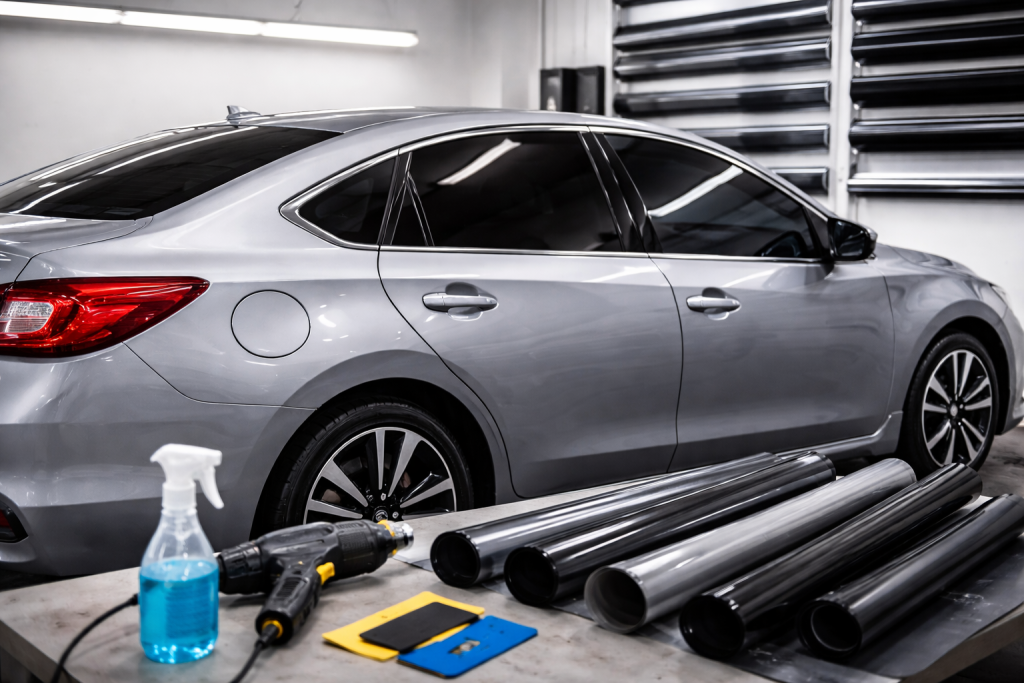
Choosing what is the best auto window tint is less about chasing a single “top” product and more about understanding how materials, construction, and regulations interact in real-world driving. In practice, window tint affects thermal load inside the cabin, glare management, UV exposure, and even long-term interior durability. Each of these outcomes depends on engineering trade-offs rather than marketing labels. From a technician’s perspective, the “best” tint is the one that performs predictably in your climate, remains compliant with local laws, and can be installed without introducing optical defects or premature failure.
Why auto window tint performance is more than just darkness
A common misconception is that darker tint automatically equals better performance. In reality, visible light transmission (VLT) is only one variable, and often not the most important one. Heat rejection depends largely on how a film handles infrared radiation, while UV protection is governed by chemical absorbers embedded in the film layers. In many cases, a lighter but higher-quality film will outperform a darker, lower-grade option in both comfort and longevity.
From a practical standpoint, overly dark films can create night-time visibility issues and increase driver fatigue, especially on poorly lit roads. This is why experienced installers usually start with performance metrics rather than appearance when advising what is the best kind of auto window tint for a specific vehicle and usage pattern.
Understanding the main types of auto window tint films
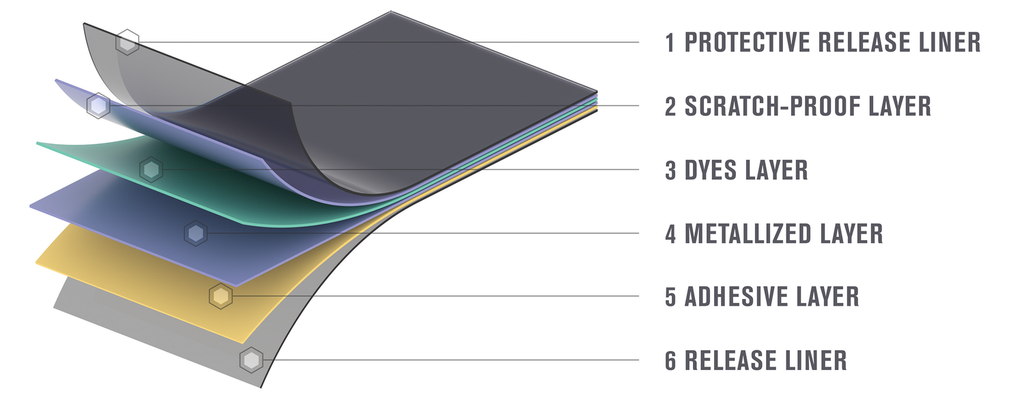
Window tint films fall into several technical categories, each with distinct advantages and limitations. Knowing these differences is essential when evaluating what is the best type of auto window tint for your needs.
- Dyed films rely on pigments to absorb light and heat. They are affordable but tend to fade over time and provide limited infrared rejection.
- Metalized films reflect heat effectively but can interfere with GPS, radio, and mobile signals due to embedded metallic particles.
- Carbon films improve color stability and reduce fading compared to dyed options, offering moderate heat rejection without signal issues.
- Ceramic films use non-metallic ceramic particles to block infrared and UV radiation efficiently, even at higher VLT levels.
In most cases, ceramic films are considered the best quality auto window tint from a performance standpoint, though their higher cost reflects more complex manufacturing processes.
How heat rejection and UV protection actually work
Heat rejection is often misunderstood because it involves wavelengths invisible to the human eye. Infrared radiation is responsible for much of the heat buildup in a vehicle, while UV radiation accelerates interior aging and poses health risks. High-end films are engineered to selectively block these wavelengths without excessively reducing visible light.
A common issue is relying solely on advertised “percentages” without understanding test conditions. Measurements can vary depending on angle, glass type, and ambient temperature. In professional practice, the best window tint film for autos is judged by consistent performance across these variables, not peak lab numbers.
Legal limits and regional compliance considerations
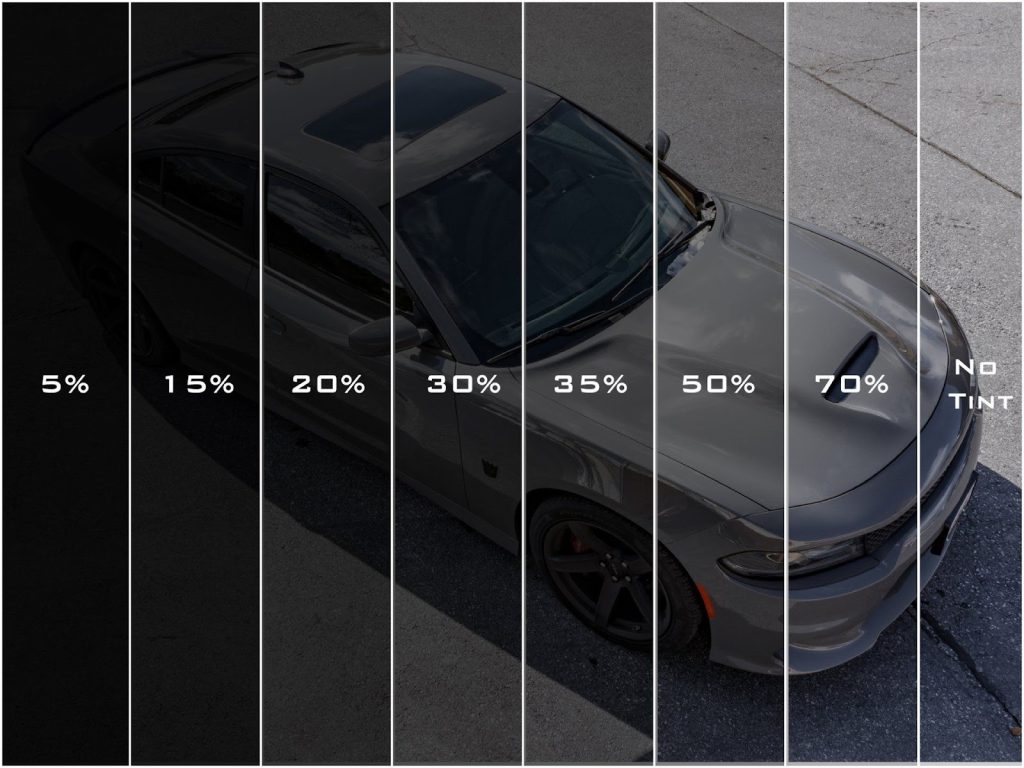
Tint legality is not a minor detail; it directly affects inspection outcomes, insurance claims, and roadside enforcement. Regulations typically specify minimum VLT for windshields, front side windows, and rear glazing. These thresholds vary widely by region and sometimes differ between passenger cars and commercial vehicles.
In real workshops, re-tinting due to non-compliance is one of the most avoidable expenses. The best auto window tint on the market is effectively useless if it forces repeated removal and replacement. This is why installers often recommend films that sit comfortably within legal margins rather than pushing the darkest permissible limit.
Optical clarity and driver visibility trade-offs
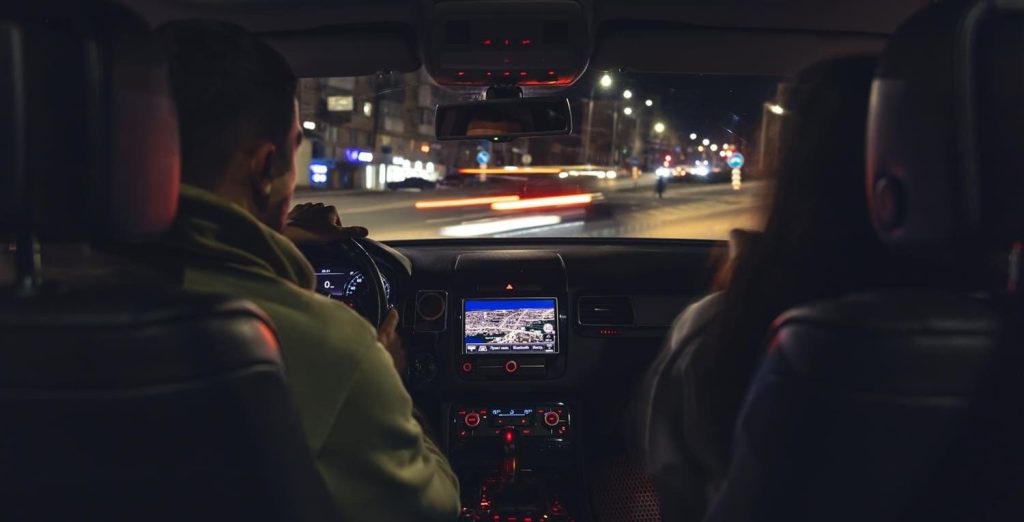
Beyond legal darkness, optical clarity determines how a film behaves under varying lighting conditions. Inferior films may introduce haze, distortion, or color shifting, which becomes noticeable during night driving or rain. These issues are not always visible immediately after installation and often worsen as adhesives age.
From an engineering perspective, maintaining uniform thickness and stable adhesive chemistry is critical. When assessing what is the best auto window tint, clarity over time matters more than initial appearance.
Installation quality as a performance multiplier
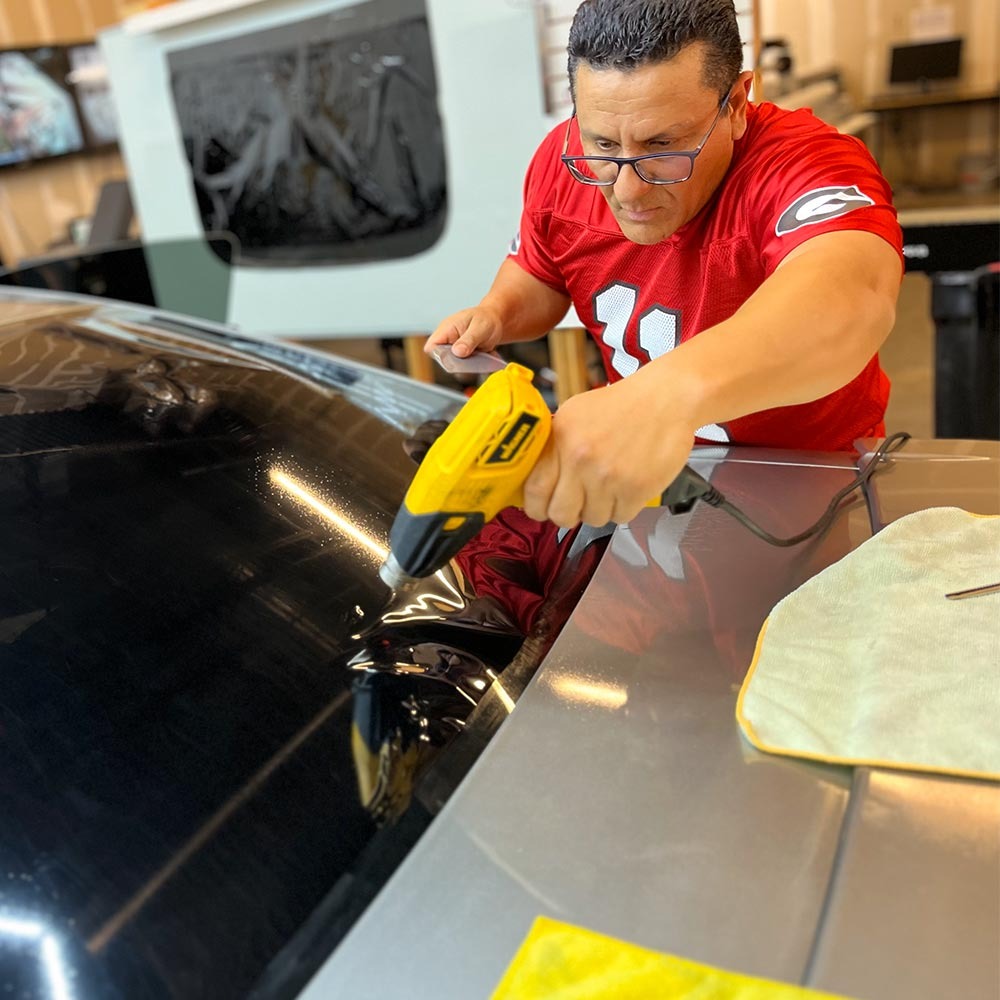
Even the best film can underperform if installation is rushed or poorly controlled. Dust contamination, improper surface preparation, and uneven squeegee pressure can lead to bubbling, edge lift, or premature peeling. These defects compromise both aesthetics and thermal performance.
A professional installation process typically follows clear steps: thorough glass cleaning, controlled moisture application, precise cutting or pre-cut templates, and adequate curing time. Skipping or shortening any of these steps often results in failures that are mistakenly blamed on the film itself.
Comparing tint types by practical criteria
The following table helps align technical film types with real-world priorities. It is intended to clarify trade-offs rather than rank products.
| Tint type | Heat rejection | Signal interference | Longevity | Typical use case |
| Dyed | Low | None | Short | Budget or cosmetic tint |
| Metalized | High | Possible | Medium | Older vehicles without sensitive electronics |
| Carbon | Medium | None | Medium–high | Balanced daily use |
| Ceramic | High | None | High | Long-term comfort and protection |
This comparison highlights why ceramic films are often recommended when people ask what is the best brand of auto window tint, even though brand alone does not determine outcome.
Climate, vehicle type, and usage patterns
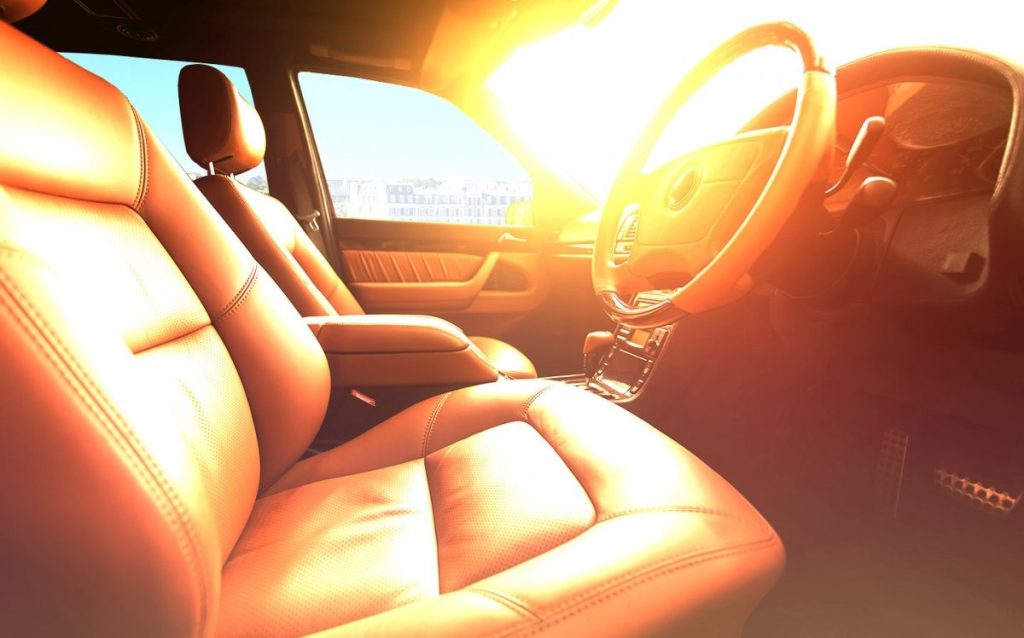
Climate plays a decisive role in tint selection. In hot, sunny regions, infrared rejection and UV stability become critical, while in colder climates glare reduction and interior preservation may be higher priorities. Vehicle design also matters; large glass areas in SUVs and panoramic roofs increase thermal load significantly.
Usage patterns add another layer. A daily commuter exposed to long highway drives faces different requirements than a city car parked mostly indoors. The best type of auto window tint depends on aligning these factors rather than choosing a universally “top” option.
Long-term durability and maintenance realities
Over time, exposure to heat cycles, moisture, and cleaning chemicals tests film durability. Lower-grade films may discolor or delaminate, while higher-quality options maintain color neutrality and adhesion. Maintenance practices also matter; abrasive cleaners and ammonia-based solutions can degrade even good films.
From a maintenance standpoint, predictable aging is preferable to rapid degradation. The best auto window tint is one that changes slowly and visibly, allowing corrective action before full replacement becomes necessary.
Conclusion: defining “best” in realistic terms
In practical automotive work, what is the best auto window tint is defined by consistency rather than extremes. The optimal choice balances heat rejection, optical clarity, legal compliance, and installation quality within the context of climate and vehicle use. High-performance films, particularly ceramic types, tend to offer the most stable long-term results, but only when paired with correct installation and realistic expectations.
Ultimately, window tint should contribute to a predictable driving environment: stable cabin temperatures, preserved interiors, and uncompromised visibility. When these outcomes are prioritized over labels or darkness alone, the decision becomes clearer and more durable over the life of the vehicle.
Comment here