

Auto car badges are small components, but in practical automotive terms they carry a disproportionate amount of technical, historical, and emotional weight. From a workshop perspective, badges are not decorative afterthoughts; they are engineered identifiers, branding markers, and sometimes structural elements integrated into body panels or trim systems. Over decades of working with restorations, accident repairs, and OEM replacements, it becomes clear that badges influence perception, resale value, and even how a vehicle is serviced. Understanding how auto car badges evolved, what they communicate, and how customization affects a vehicle helps avoid common mistakes that can lead to corrosion, body damage, or long-term devaluation.
The Origins of Auto Car Badges in Early Automotive Engineering
The earliest auto car badges were born out of necessity rather than branding ambition. Early manufacturers needed a durable way to identify vehicles, production batches, and mechanical specifications, especially when hand-built cars varied significantly. These badges were often cast from brass or steel and mechanically fastened to radiators or firewalls. In practical terms, they acted as reference plates for mechanics who needed to identify engine displacement, chassis type, or manufacturer when parts standardization barely existed. Over time, these identifiers evolved into symbolic elements, but their technical roots still influence modern badge design and placement.
Functional roots before branding language
In early automotive design, visual identity was secondary to function. Badges were shaped and sized based on casting limitations, corrosion resistance, and fastening methods available at the time. Rivets, threaded studs, and backing plates were common, which meant body panels were drilled specifically to accept a badge. This created a direct mechanical relationship between badge and structure. In restorations today, incorrectly replacing these early badges with adhesive alternatives often leads to vibration marks, water ingress, or mismatched patina that undermines historical accuracy and long-term durability.
How Auto Car Badges Communicate Brand and Mechanical Identity
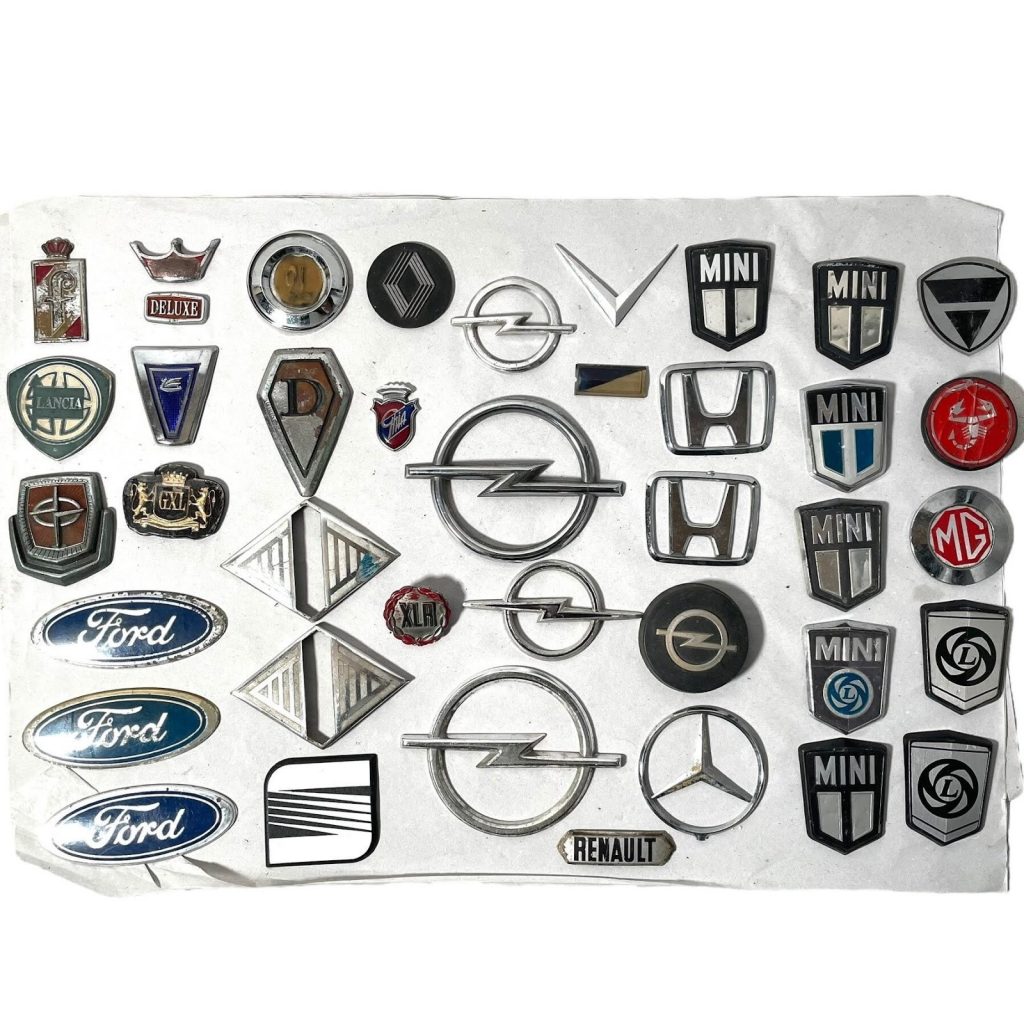
Modern auto car badges still serve a communicative role, although the message is now more layered. A badge may indicate manufacturer, model, trim level, drivetrain, or market specification. From an engineering standpoint, this information affects service procedures and parts compatibility. For example, two visually identical vehicles may differ internally based on what their badges indicate. Ignoring these cues can lead to incorrect diagnostics or improper parts installation, a problem that appears frequently in independent workshops handling mixed-market imports.
Badge hierarchy and information density
Manufacturers design badge systems hierarchically. Primary badges identify the brand, secondary badges specify model or platform, and tertiary badges communicate performance or technology packages. Each level has implications. Removing or altering one layer can confuse future owners or technicians, especially when electronic diagnostic data is incomplete. In practice, vehicles with missing or incorrect badges often trigger additional verification steps during servicing, increasing labor time and the risk of error when assumptions replace documentation.
Materials and Manufacturing Methods Behind Modern Badges
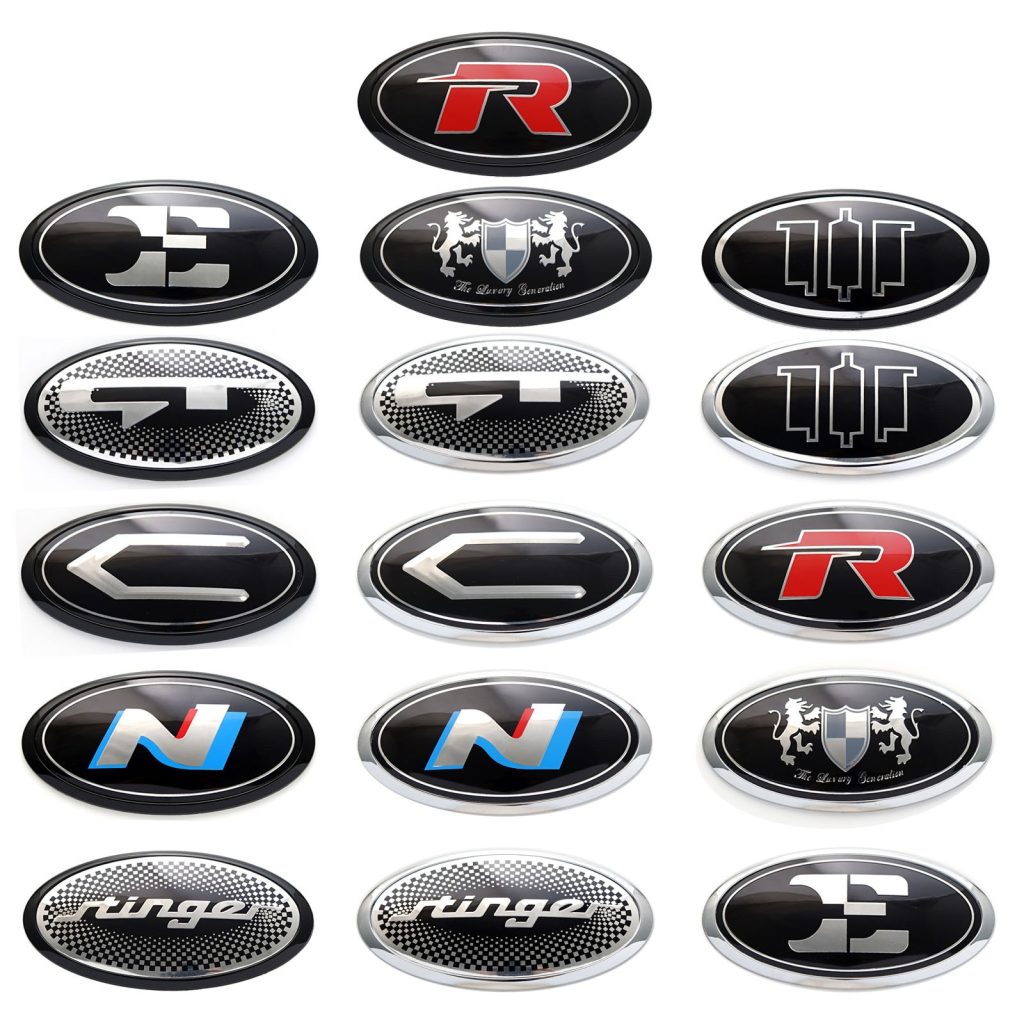
From a material science perspective, auto car badges are a compromise between aesthetics, durability, and cost. Common materials include ABS plastic with chrome plating, zinc alloys, stainless steel, and increasingly aluminum composites. Each choice affects weight, corrosion behavior, and attachment method. In real-world conditions, badges are exposed to UV radiation, temperature cycling, road salt, and chemical cleaners. Poor material matching or low-quality aftermarket replacements often fail prematurely, leading to peeling finishes or staining of surrounding paintwork.
Adhesive versus mechanical mounting systems
Modern vehicles rely heavily on structural adhesives and pressure-sensitive tapes rather than mechanical fasteners. While this reduces drilling and corrosion points, it introduces sensitivity to surface preparation and temperature during installation. In workshops, badge reinstallation after repainting is a frequent failure point. If the adhesive system is not matched to OEM specifications, badges may detach at speed or trap moisture underneath, eventually causing localized paint failure that is costly to correct.
Auto Car Club Badges and Their Cultural Significance
Auto car club badges occupy a distinct category, bridging personal identity and vehicle presentation. Unlike OEM badges, these emblems are owner-installed and often temporary. However, their placement and attachment still have physical consequences. In most cases, club badges are mounted on grilles or bumpers using clamps or brackets. Incorrect installation can restrict airflow to radiators or interfere with parking sensors, a problem that becomes apparent only after prolonged use in traffic or high-temperature conditions.
Practical considerations for removable emblems
From a maintenance perspective, removable badges should be treated as external accessories with inspection intervals. Corrosion often starts where clamps contact painted or chromed surfaces. Over time, vibration can wear through protective coatings, exposing bare metal. Technicians frequently encounter hidden damage behind long-installed club badges, particularly on vehicles driven year-round. Careful inspection and periodic repositioning help mitigate these issues without sacrificing personal expression.
Customizing Auto Car Badges: A Technical Perspective
Customization of auto car badges ranges from subtle debadging to full replacement with bespoke designs. Each approach has mechanical and long-term implications. Debadging, for instance, is often perceived as purely cosmetic, but removing factory badges leaves mounting holes or adhesive footprints that must be addressed correctly. Improper filling or paint correction leads to visible ghosting over time as temperature cycles reveal repaired areas.
Risks associated with non-OEM badge modifications
Replacing OEM badges with aftermarket alternatives introduces variables in weight, attachment method, and material compatibility. Heavier metal badges installed where lightweight plastic was intended can stress thin body panels. Similarly, incompatible adhesives may react with modern clear coats. In practice, many paint defects attributed to “poor respray quality” originate from badge modifications performed without understanding these interactions.
Debadging and Its Effect on Vehicle Value and Maintenance
Debadging is common among owners seeking a minimalist appearance, but its impact extends beyond aesthetics. From a resale and inspection standpoint, missing badges raise questions about accident history or unauthorized modifications. In regulated markets, certain badges correspond to emissions or drivetrain classifications. Their absence may complicate inspections or imports, requiring additional documentation to confirm vehicle specifications.
Long-term maintenance implications
Vehicles that have been debadged require more careful washing and inspection of formerly occupied areas. Adhesive residue can attract dirt differently than surrounding paint, leading to uneven wear. Over years, this results in subtle outlines that are difficult to correct without repainting. These effects are rarely visible immediately, which is why debadging decisions should be evaluated with a long-term ownership horizon in mind.
Regional and Aftermarket Badge Variations in the Automotive Ecosystem
Aftermarket and regional badge variations reflect market demands and local regulations. Businesses such as Badger Auto Care or Badger Auto Sales often apply their own identifiers as part of service branding or dealer recognition. While typically removable, these badges still interact with vehicle surfaces and finishes. Inconsistent removal practices can leave permanent marks, especially on softer modern clear coats.
Dealer and service branding effects
Dealer-installed badges are frequently attached quickly, without the surface preparation standards used by OEMs. Over time, they may discolor paint or leave adhesive shadows. From a professional standpoint, documenting and, if necessary, removing these badges early in ownership reduces cumulative surface damage and simplifies future refinishing or detailing work.
Comparative Overview of Badge Types and Their Practical Implications
The following table compares common badge categories to clarify their functional and maintenance implications. This comparison helps owners and technicians anticipate potential issues before modifications or replacements are made.
| Badge Type | Typical Material | Mounting Method | Common Issues | Long-Term Considerations |
| OEM manufacturer badge | ABS or metal alloy | Adhesive or studs | UV fading, adhesive failure | Affects resale authenticity |
| Model/trim badge | Plastic or aluminum | Adhesive | Misplacement after repaint | Service identification errors |
| Auto car club badge | Brass or steel | Clamp or bracket | Corrosion at contact points | Hidden surface damage |
| Dealer/service badge | Plastic | Adhesive | Paint discoloration | Removal marks over time |
Practical Inspection and Care of Auto Car Badges
Routine inspection of auto car badges is often overlooked during regular maintenance. Yet badges can reveal early signs of paint failure, corrosion, or prior bodywork. In workshop inspections, uneven badge alignment or mismatched finishes frequently indicate previous repairs. Addressing these signs early helps prevent moisture intrusion and further deterioration of underlying panels.
Cleaning and preservation practices
Cleaning around badges requires controlled techniques. Aggressive brushing or high-pressure washing can compromise adhesives or bend thin metal edges. In most cases, gentle chemical cleaners and soft detailing tools are sufficient. Preserving original badges maintains not only appearance but also the integrity of surrounding paint and trim, contributing to overall vehicle longevity.
Conclusion: The Long-Term Role of Auto Car Badges in Vehicle Integrity
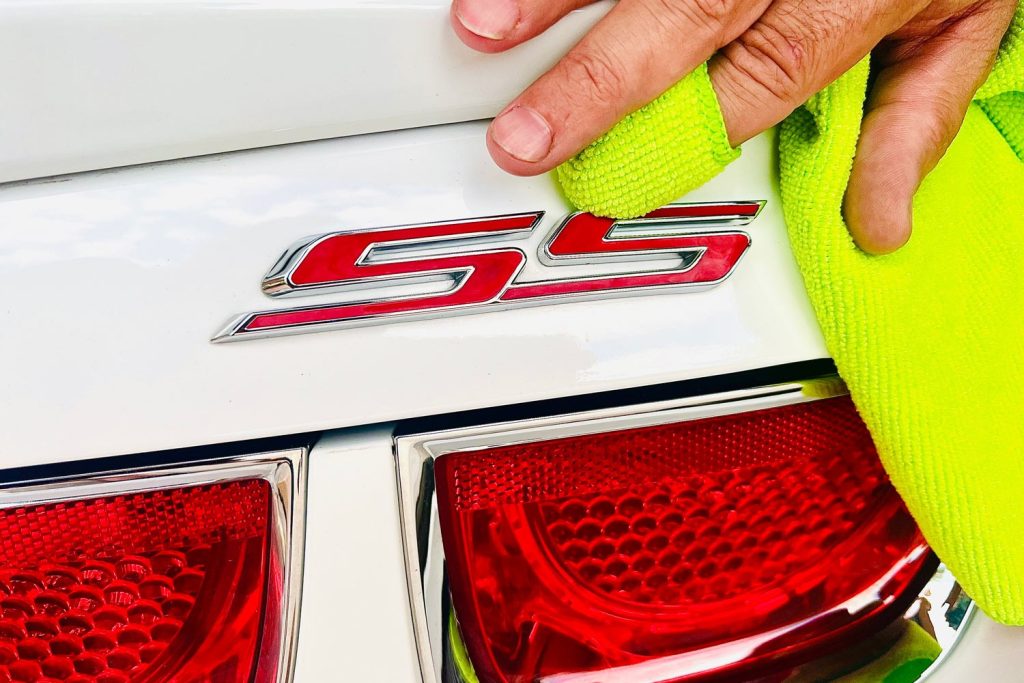
Auto car badges occupy a unique intersection between engineering, identity, and maintenance. While visually small, they influence how vehicles are identified, serviced, and valued over time. Decisions about retaining, removing, or customizing badges should be grounded in an understanding of materials, mounting systems, and long-term effects on bodywork and documentation. In most cases, a cautious, informed approach preserves stability and predictability throughout a vehicle’s lifecycle, reducing unintended consequences that only become apparent years after a seemingly simple modification.
Comment here