

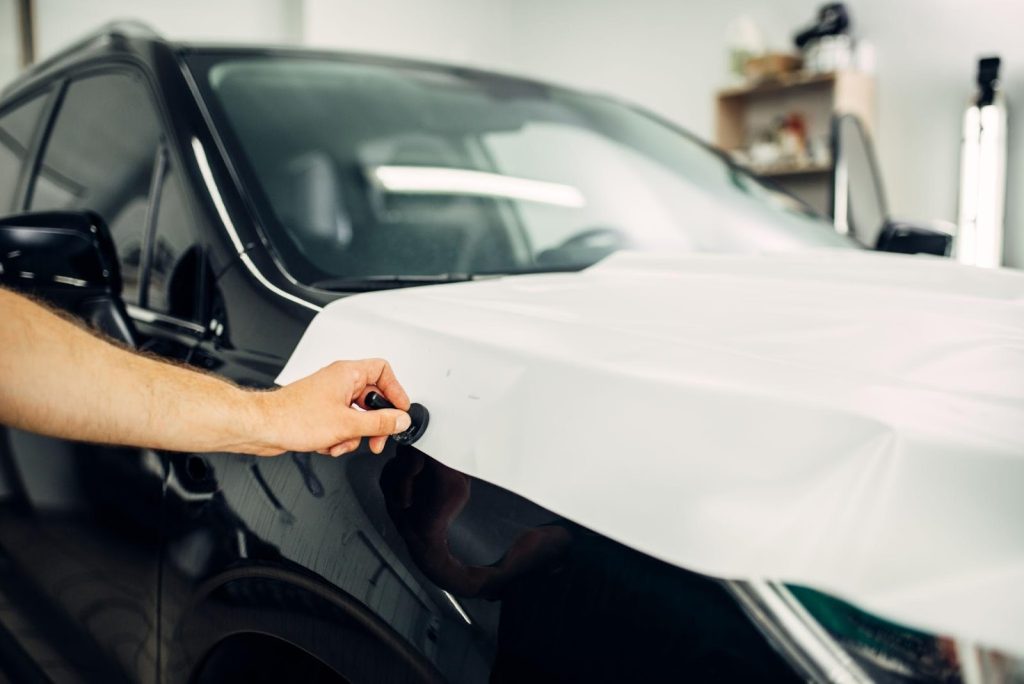
Auto armor entire car protection is not a cosmetic upgrade in the traditional sense. In most cases, it is a technical response to predictable degradation mechanisms affecting modern vehicle exteriors. Full coverage protection refers to the systematic application of protective layers across all painted and exposed exterior surfaces, with the goal of controlling wear rather than eliminating it.
From an engineering standpoint, the value of full coverage lies in consistency. When protection is applied selectively, aging becomes uneven. When applied holistically, degradation slows in a more predictable and manageable way.
What “Entire Car Protection” Means in Practical Terms
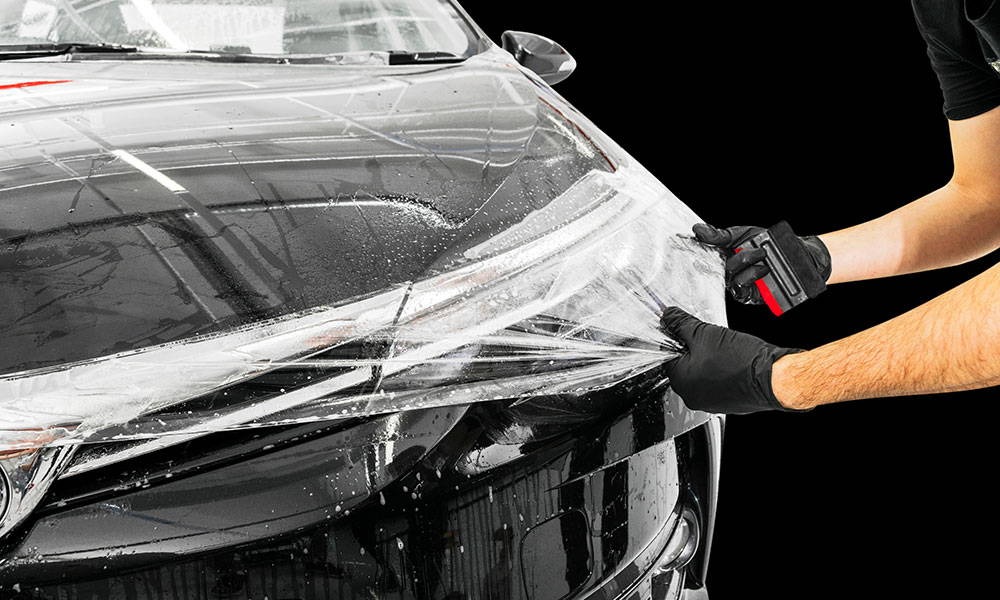
The term “entire car protection” does not imply a single, uniform layer behaving identically across all surfaces. In practice, it describes a system composed of multiple zones, each exposed to different mechanical, thermal, and chemical stresses.
Horizontal panels such as the hood and roof are dominated by UV exposure and environmental fallout. Vertical leading edges face repeated impact from road debris. Rear sections experience abrasion from turbulence and particulate accumulation. Entire car protection works only when these zones are treated as distinct engineering problems rather than as a single cosmetic surface.
Why Partial Protection Creates Long-Term Side Effects
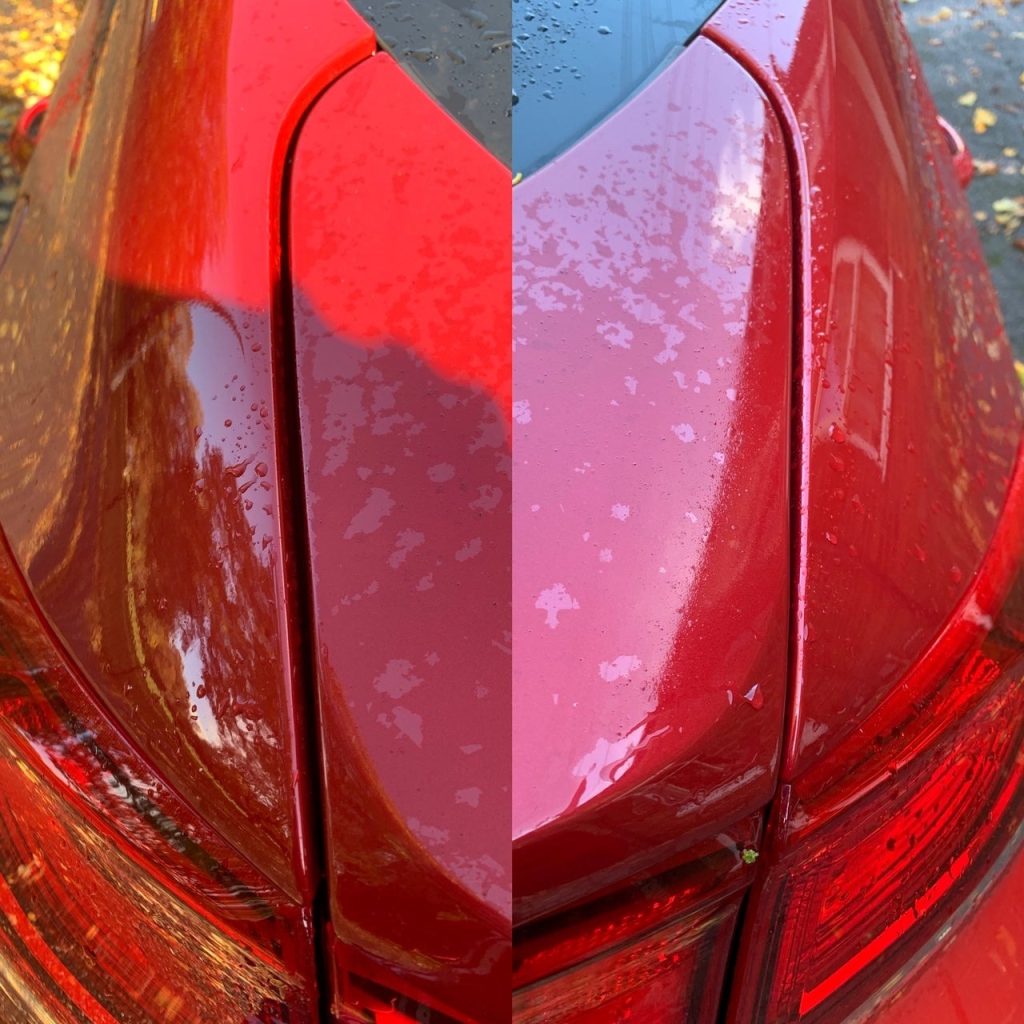
Partial protection strategies usually focus on obvious impact zones. While logical in isolation, this approach often leads to unintended consequences over time. A common issue is differential aging between protected and unprotected panels, particularly in high-UV environments.
When films are removed after several years, color mismatch may become visible—not because the protected paint degraded, but because the surrounding paint did. Entire car protection reduces this risk by slowing degradation uniformly across the body.
Materials Used in Auto Armor Entire Car Protection Systems
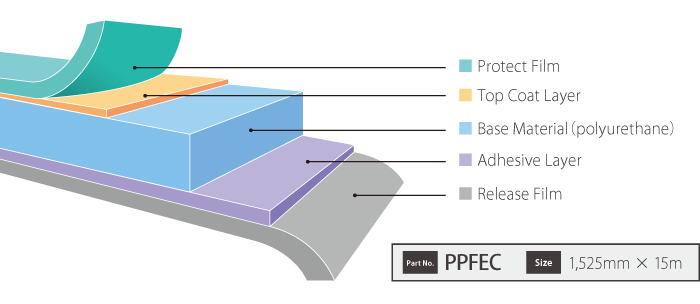
Not all full coverage systems behave the same, even when visually similar. Material composition determines how protection responds to impact, heat, and chemical exposure.
Common material categories include:
- Thermoplastic polyurethane (TPU) films, valued for elasticity and impact absorption.
- Hybrid polymer films, balancing clarity with reduced thickness.
- Ceramic-infused surface layers, improving chemical resistance rather than impact tolerance.
- Multi-layer adhesive systems, designed to manage thermal expansion and edge stability.
Each option introduces trade-offs. Thicker materials absorb energy more effectively but increase installation complexity. Thinner systems preserve visual clarity but offer limited mechanical protection.
Installation Methodology as a Primary Risk Factor
In real-world practice, installation quality often outweighs material choice. Entire car protection requires controlled stretching, correct relief placement, and panel-by-panel planning. Failures typically originate from excessive tension on compound curves or insufficient allowance for thermal movement.
A common issue is edge creep appearing months after installation, not immediately. This delayed failure pattern explains why short-term reviews often fail to predict long-term outcomes.
Environmental Variables That Affect Performance
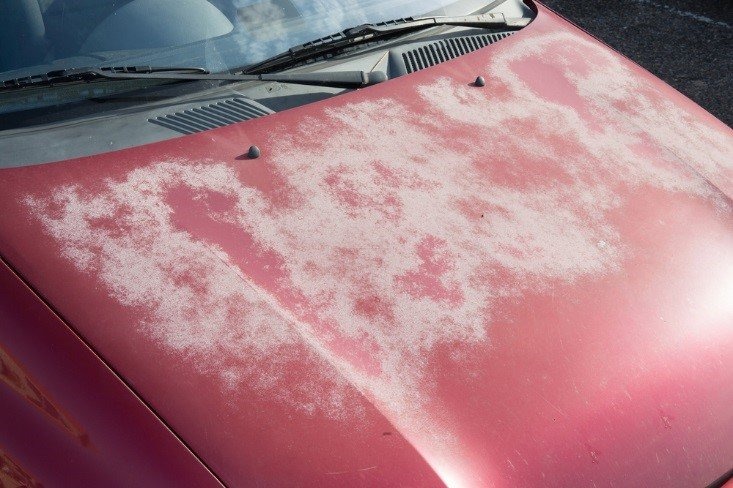
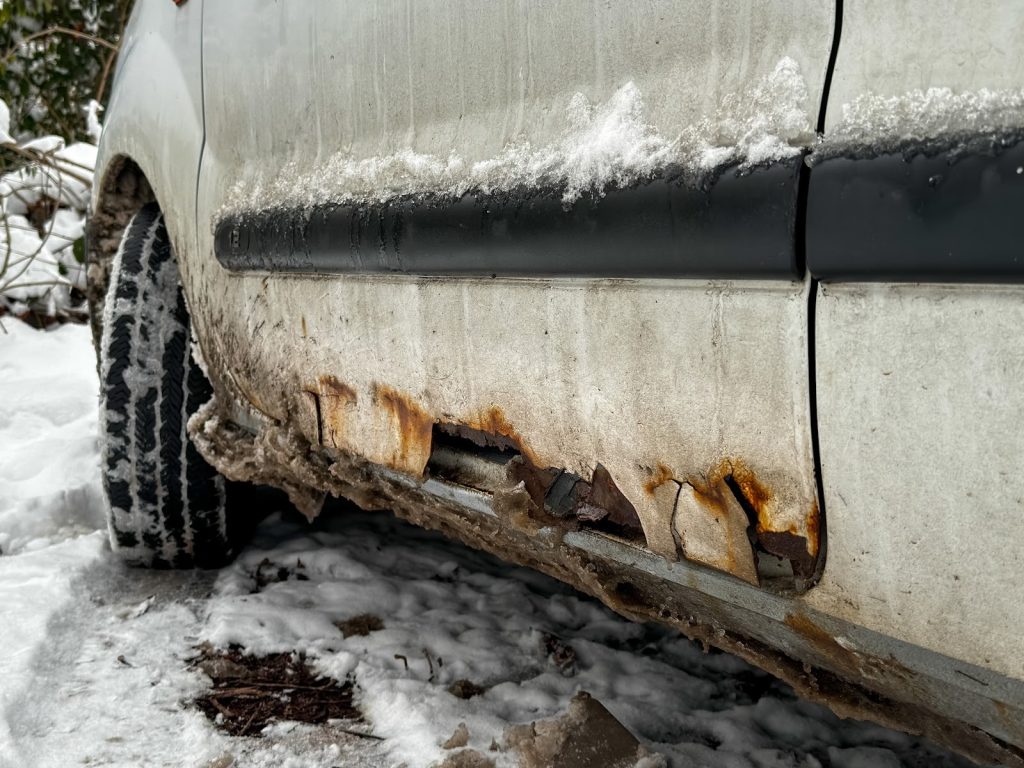
Auto armor entire car protection interacts continuously with its environment. Heat accelerates adhesive aging, cold increases brittleness under impact, and urban conditions introduce chemical stress from brake dust and road salts.
In most cases, perceived film degradation is actually contrast created by adjacent unprotected materials aging faster. Understanding these interactions helps set realistic expectations for performance and longevity.
Cost Structure and Price Variability Explained
Before comparing prices, it is important to understand what drives cost. Entire car protection pricing reflects labor intensity more than raw material expense. Vehicles with complex geometry require more cutting, alignment, and corrective work.
Key cost drivers include:
- Vehicle size and surface complexity.
- Film thickness and construction.
- Surface preparation requirements.
- Installation environment and curing control.
As a result, auto armor entire car protection price often scales non-linearly with vehicle design complexity rather than vehicle value.
Comparing Full Coverage Protection Options
The following table helps clarify functional differences between common full coverage approaches. It is intended to support understanding, not to promote a specific solution.
| Protection Type | Impact Resistance | UV Stability | Installation Risk | Typical Service Life |
| Thick TPU film | High | Moderate | High | 5–7 years |
| Thin TPU film | Moderate | High | Medium | 4–6 years |
| Hybrid polymer film | Low–Moderate | High | Low | 3–5 years |
| Ceramic-only coating | Very low | High | Low | 2–4 years |
No option dominates every category. Effective entire car protection depends on aligning material behavior with real-world exposure and ownership timelines.
Interpreting Auto Armor Entire Car Protection Reviews
Reviews often emphasize initial appearance rather than durability. Gloss, clarity, and hydrophobic behavior dominate early impressions, while long-term indicators such as edge stability and removal behavior are rarely discussed.
In professional evaluation, multi-year feedback provides more reliable insight than short-term satisfaction metrics.
When Full Coverage Is Technically Justified
Entire car protection makes the most sense when repainting costs are high or originality must be preserved. Vehicles intended for long-term ownership benefit most from uniform aging control.
Conversely, short ownership cycles or existing paint defects may reduce the practical value of full coverage. In those cases, targeted protection combined with disciplined maintenance may offer comparable results.
Final Takeaway: Control, Not Perfection
Auto armor entire car protection is about managing known risks rather than eliminating damage entirely. When designed and installed correctly, full coverage systems slow wear, equalize aging, and improve predictability over time.
The long-term value lies in stability and reduced uncertainty—not in cosmetic perfection or short-term visual impact.
Comment here