


Auto air compressor repair is one of those topics that sounds simple until you face a system that cools intermittently, makes noise under load, or shuts down without warning. In practice, the compressor rarely fails in isolation. What looks like a single faulty component is often the visible outcome of pressure imbalance, lubrication loss, contamination, or control-system errors elsewhere in the air-conditioning loop.
This article approaches auto air compressor repair from a practitioner’s point of view. Instead of listing generic fixes, it explains why compressors fail, how problems evolve over time, and which repair strategies actually stabilize the system. The emphasis is on cause-and-effect relationships and predictable long-term outcomes rather than quick fixes.
How the auto AC compressor actually fails over time
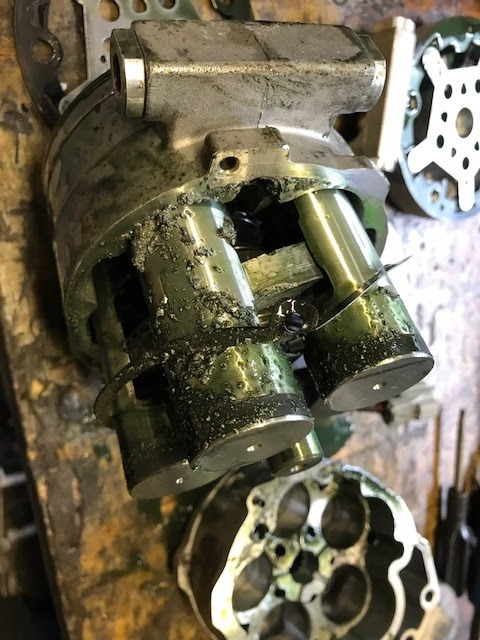
In most cases, an automotive AC compressor does not fail suddenly. Damage accumulates gradually as operating conditions drift away from design limits. Low refrigerant charge, for example, does not only reduce cooling performance — it also limits oil circulation, which accelerates internal wear.
Compressors depend on stable suction pressure, adequate lubrication, and continuous refrigerant flow. When any of these factors deteriorate, friction and thermal stress increase. Over time, this leads to bearing wear, piston scoring, or swash-plate damage, even if the system still appears to function intermittently.
Common long-term stressors include:
- slow refrigerant leaks that reduce oil transport.
- repeated high head pressure from restricted condenser airflow.
- moisture ingress that degrades compressor oil.
- frequent clutch cycling caused by control or sensor faults.
Individually these issues may seem minor, but together they significantly shorten compressor service life.
Mechanical wear vs. contamination: two different failure paths
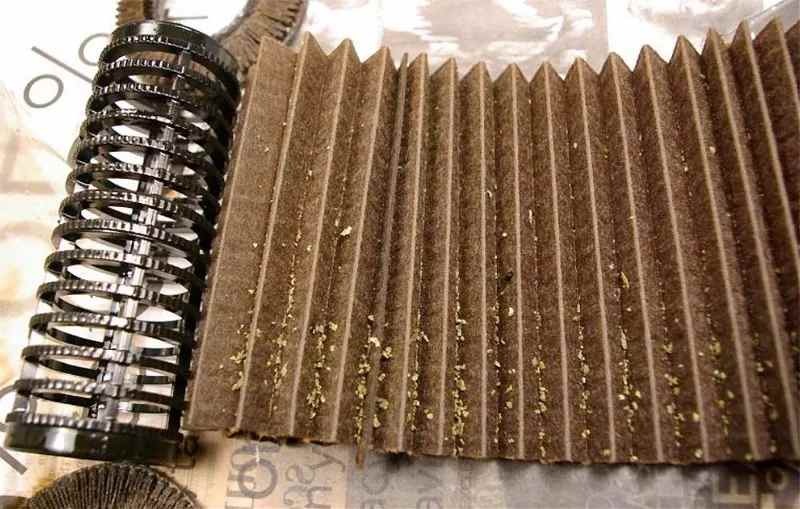
Before attempting auto air conditioner compressor repair, it is critical to identify whether the failure is mechanical or contamination-driven. These two paths require very different repair strategies.
Mechanical wear usually develops from lubrication loss or sustained overload. Internally, this appears as worn bearings or damaged pistons. The system may still cool under light load, but noise and vibration gradually increase.
Contamination failures involve debris circulating through the entire AC system. Metal particles from a failing compressor often lodge in the condenser, expansion device, and hoses. In such cases, replacing the compressor alone rarely prevents repeat failure.
Key differences include:
- mechanical wear may allow limited component repair.
- contamination almost always requires system flushing or condenser replacement.
- contamination dramatically increases the risk of repeat compressor damage.
Misidentifying the failure path is a common reason why repairs do not last.
Noise, seizure, and clutch problems: interpreting real symptoms
Noise is often the first sign that auto air compressor repair is approaching, but not all noises mean the same thing. A light rattling at idle may indicate internal wear, while sharp metallic knocking under load usually points to severe internal damage.
Clutch problems can further complicate diagnosis. A slipping clutch may mimic compressor failure even when internal components are still intact. Conversely, a seized compressor can overload the belt system and cause sudden belt stall.
Typical symptom patterns include:
- grinding or growling sounds from bearing wear.
- squealing during engagement caused by clutch surface issues.
- belt stalling due to internal seizure.
- intermittent cooling with normal pressures indicating control faults.
Correct symptom interpretation reduces unnecessary component replacement.
Control and electrical faults that mimic compressor failure
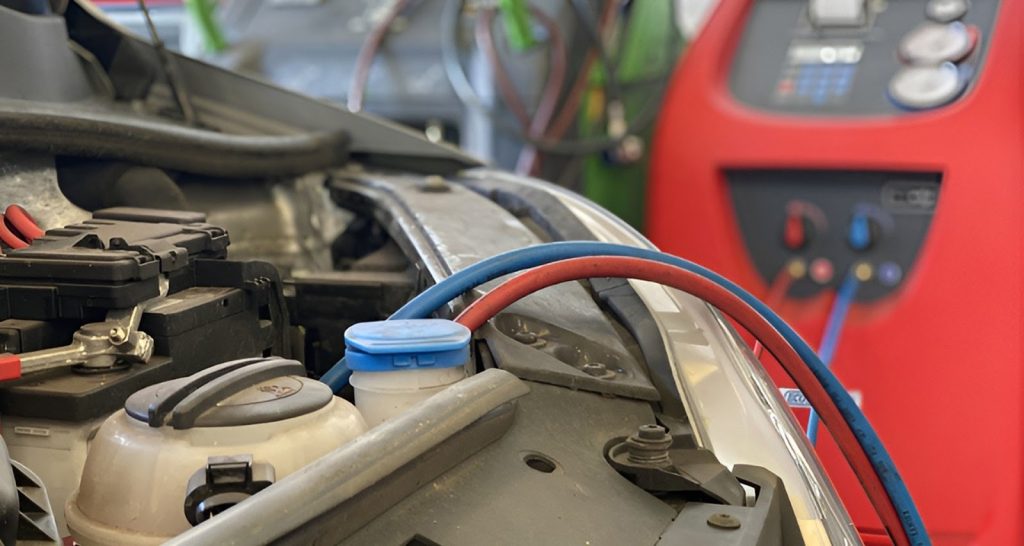
Modern auto air conditioning compressor repair increasingly involves electronics rather than mechanics. Variable-displacement compressors rely on pressure sensors and control valves, and faults in these components can disable cooling even when the compressor itself is functional.
A faulty pressure sensor may falsely report excessive system pressure, prompting the control module to shut down compressor operation as a protective measure. In such cases, replacing the compressor does not resolve the issue.
Common non-mechanical causes include:
- failed pressure or temperature sensors.
- damaged wiring at the compressor connector.
- malfunctioning control valves.
- incorrect system calibration after previous service.
Electronic diagnostics are therefore essential before mechanical conclusions are drawn.
Diagnostic sequence: why shortcuts increase failure risk
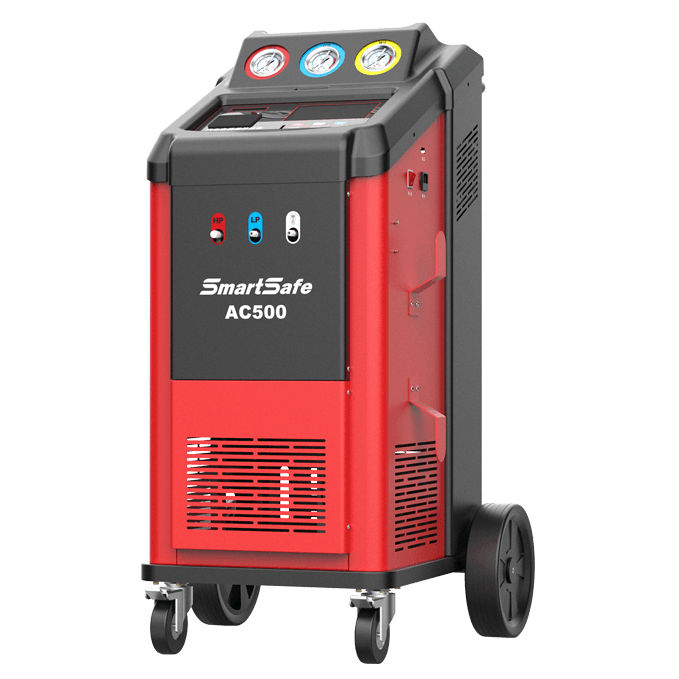
A structured diagnostic process is central to reliable auto air conditioning compressor repair. Skipping steps often leads to misdiagnosis and higher long-term costs.
In practice, diagnostics should follow a logical order:
- Verify refrigerant charge and oil quantity.
- Measure static and dynamic pressures.
- Confirm clutch or control-valve operation.
- Inspect oil for metal debris or discoloration.
- Assess condenser airflow and heat rejection.
Each step narrows the range of possible faults and prevents assumptions from guiding repairs.
Repair vs. replacement: technical decision points
Whether repair or replacement is appropriate depends on measurable system conditions. Minor issues such as clutch wear or control-valve failure may allow targeted auto air conditioner compressor repair without replacing the entire unit.
Replacement becomes necessary when internal damage or contamination is confirmed. Installing a new compressor into a contaminated system often results in repeat failure within a short period.
What actually drives auto air conditioner compressor repair cost
Auto air conditioner compressor repair cost is influenced less by the compressor itself than by the corrective work required to protect the system afterward. Flushing procedures, condenser replacement, and refrigerant handling often account for most of the expense.
Key cost drivers include:
- system contamination level.
- condenser design and replaceability.
- refrigerant type and recovery requirements.
- labor time for evacuation and verification.
Lower upfront cost often correlates with reduced system reliability.
Choosing an air compressor for auto repair work
For workshops, the air compressor for auto repair equipment plays an indirect but important role. Poor air quality introduces moisture during service, increasing long-term failure risk.
Adequate filtration, moisture separation, and stable pressure are essential to avoid introducing new contaminants into the AC system during repairs.
Compressor repair strategies and long-term outcomes
Before finalizing a repair scope, it helps to compare approaches in terms of risk and predictability.
| Repair approach | Initial cost | System risk | Long-term stability |
| Clutch-only repair | Low | Moderate | Variable |
| Compressor replacement only | Medium | High | Often limited |
| Compressor + system flush | Higher | Reduced | Generally stable |
| Full system remediation | Highest | Lowest | Most predictable |
This comparison highlights why system-level thinking matters more than component price.
Conclusion: stability over short-term fixes
Auto air compressor repair is ultimately about restoring balance, not just restoring cold air. In most cases, compressor failure reflects deeper system issues that must be addressed to achieve predictable performance.
A disciplined diagnostic process, combined with realistic repair decisions, leads to stable pressures, proper lubrication, and long service life. When cause and effect are respected, the AC system becomes reliable again — not temporarily functional, but structurally sound.
Comment here